Muséum d'histoire naturelle
Le muséum d'histoire naturelle se trouve à Besançon en Bourgogne-Franche-Comté et bénéficie du label « Musée de France ».
Le musée a une histoire propre : Issu d'un musée universitaire, le muséum est installé depuis 1959 dans la citadelle de Vauban achetée par la ville après la Deuxième Guerre mondiale.
Le muséum est composé de deux départements : - le vivant, illustré par le parc zoologique, l'insectarium, l'aquarium et le Noctarium ; - la biodiversité illustrée par son Naturalium. Il assure trois missions : - conservation ; - étude et de recherche ; - pédagogie.
Parcours de l'évolution : - création 1959 ; - rénovation partielle 1996, surface 300 m². Jardin zoologique : - création 1962 ; - rénové totalement en 2004, surface 2,5 ha. Aquarium : - création 1975 ; - rénovation complète 1995, surface 350 m² intérieur, 500 m² extérieur.
Noctarium : - création 1996, surface 250 m². - Climatorium : création 2002, surface 300 m². Ce qui distingue cet établissement : Fortifications de Vauban inscrites au Patrimoine mondial de l'humanité, regroupant une exposition permanente dédiée à la biodiversité et 5 secteurs animaliers.
Ses atouts incluent : Le muséum de Besançon forme avec le jardin zoologique, l'Aquarium, l'Insectarium, le Noctarium et le Naturalium, un ensemble particulièrement original que l'on rencontre rarement en France.
Importantes collections naturalisées régulièrement enrichies, notamment par des dépôts provenant de l'Université de Franche-Comté.
Mais l'originalité du muséum de Besançon est aussi de présenter des collections vivantes de zoologie, et plus modestement de botanique, très variées, dans un même lieu, en réunissant des animaux d'espèces très différentes, depuis les plus petits (insectes, etc.) jusqu'aux plus gros (tigres, etc.).
Botanistes : Grenier, Babey, Billot… ; Entomologistes : Bruant, Ledoux, Réal.. ; Géologues : Henry, Coquand, Boulier, Contini.. est une figure emblématique du musée. Les collections de l'établissement portent sur : Sciences de la nature, Technique et industrie, Ethnologie, Afrique.
Le musée se trouve au 2 rue Mégevand à Besançon. Code postal : 25000. Renseignements par téléphone au 03 81 87 83 05. Site officiel : www.citadelle.com/fr/museum-espaces-animaliers.html.
History
Issu d'un musée universitaire, le muséum est installé depuis 1959 dans la citadelle de Vauban achetée par la ville après la Deuxième Guerre mondiale.
Le muséum est composé de deux départements : - le vivant, illustré par le parc zoologique, l'insectarium, l'aquarium et le Noctarium ; - la biodiversité illustrée par son Naturalium. Il assure trois missions : - conservation ; - étude et de recherche ; - pédagogie.
Parcours de l'évolution : - création 1959 ; - rénovation partielle 1996, surface 300 m². Jardin zoologique : - création 1962 ; - rénové totalement en 2004, surface 2,5 ha. Aquarium : - création 1975 ; - rénovation complète 1995, surface 350 m² intérieur, 500 m² extérieur.
Noctarium : - création 1996, surface 250 m². - Climatorium : création 2002, surface 300 m².
Collection highlights
Le muséum de Besançon forme avec le jardin zoologique, l'Aquarium, l'Insectarium, le Noctarium et le Naturalium, un ensemble particulièrement original que l'on rencontre rarement en France.
Importantes collections naturalisées régulièrement enrichies, notamment par des dépôts provenant de l'Université de Franche-Comté.
Mais l'originalité du muséum de Besançon est aussi de présenter des collections vivantes de zoologie, et plus modestement de botanique, très variées, dans un même lieu, en réunissant des animaux d'espèces très différentes, depuis les plus petits (insectes, etc.) jusqu'aux plus gros (tigres, etc.)
The building
Fortifications de Vauban inscrites au Patrimoine mondial de l'humanité, regroupant une exposition permanente dédiée à la biodiversité et 5 secteurs animaliers.
Notable figures associated with the museum
Botanistes : Grenier, Babey, Billot… ; Entomologistes : Bruant, Ledoux, Réal... ; Géologues : Henry, Coquand, Boulier, Contini...
Domains and collections
Collection themes
Ethnologie : Art africain, Sculpture, Instruments de musique;Sciences de la nature : Ichtyologie;Entomologie
Collection works
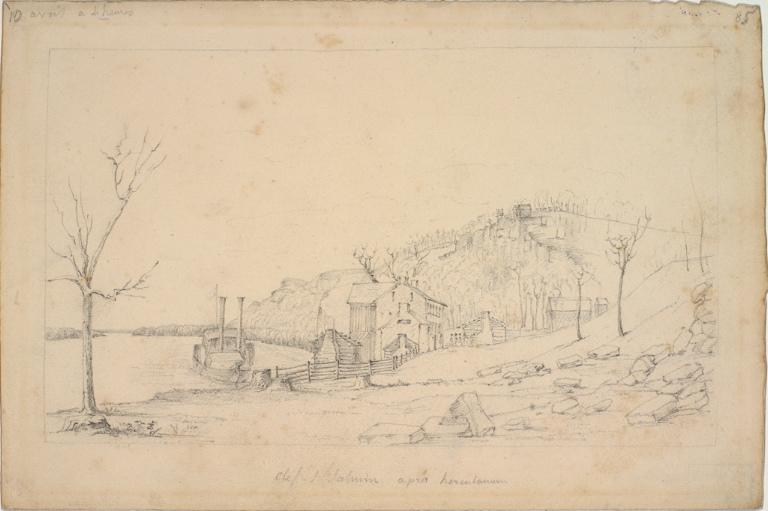
"Jeu de peaume indien à la Nouvelle Orléans"
dessin, Amérique du nord, amérindien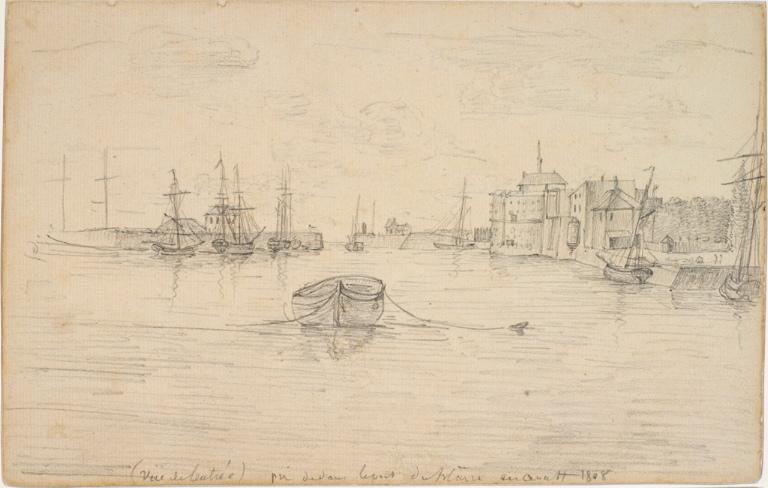
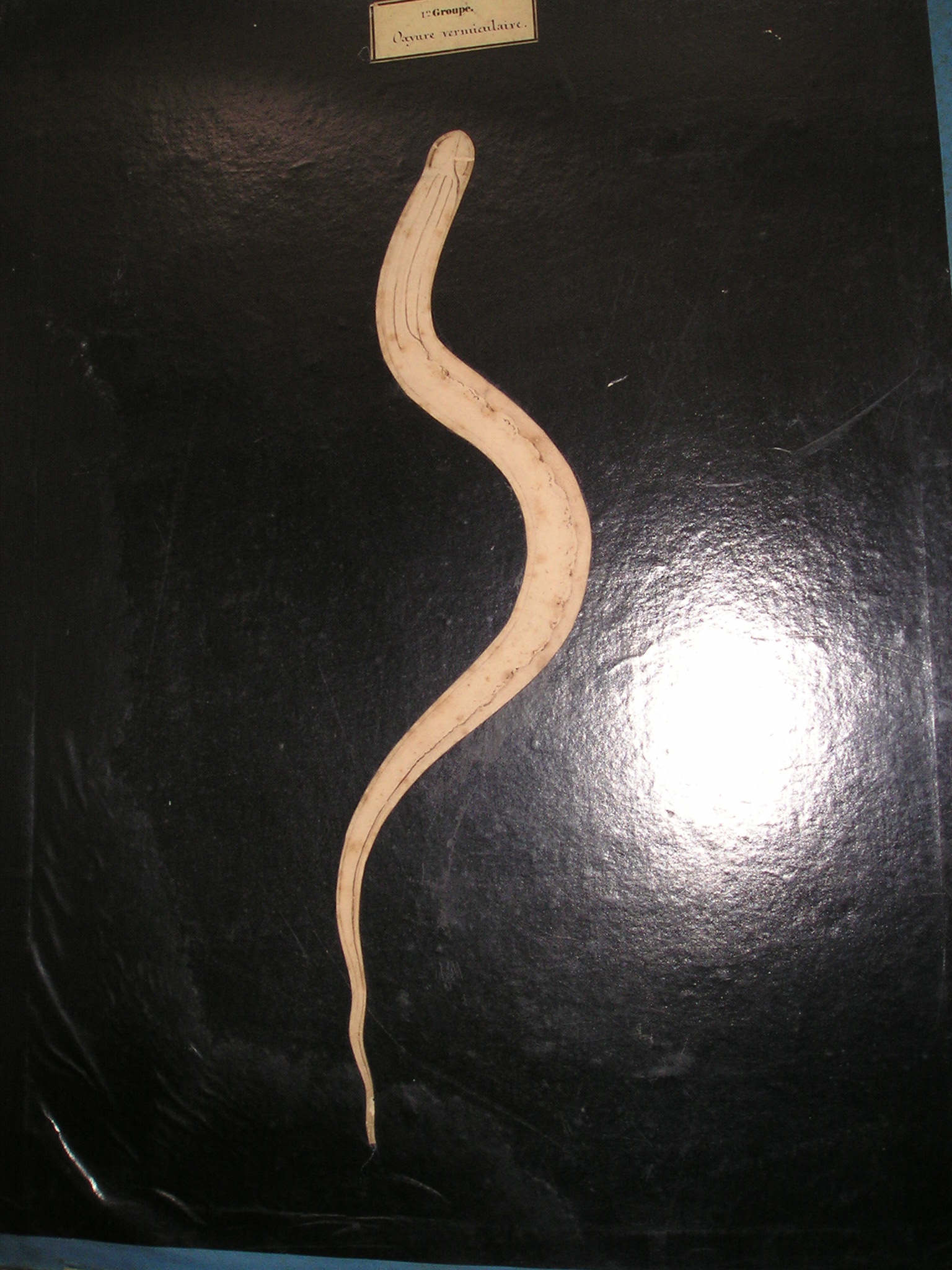
1er groupe - Oxyure vermiculaire
sciences naturelles, faune, dessin,…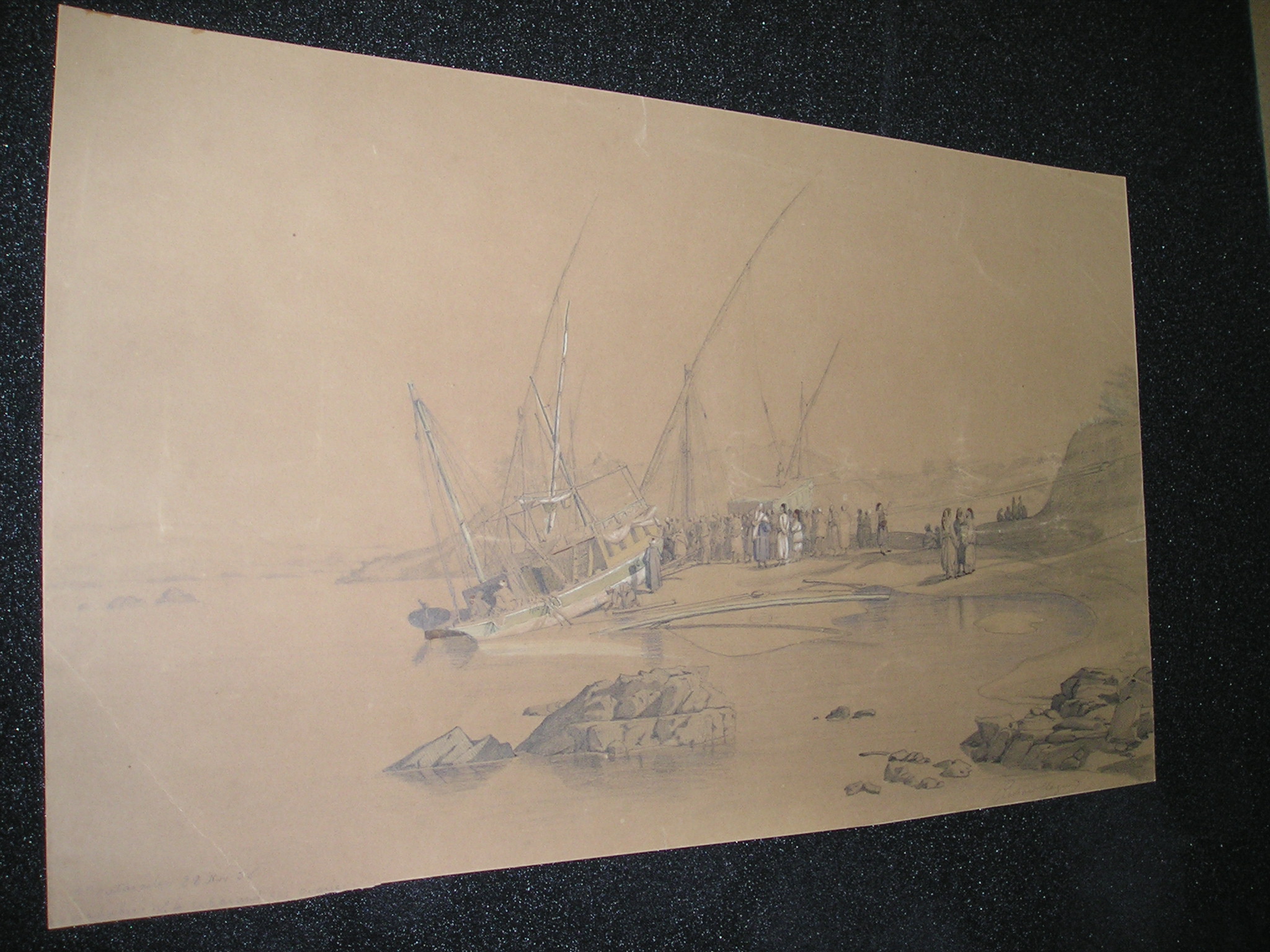
2ème cataracte ... N°4 réparant ses avaries
beaux-arts, dessin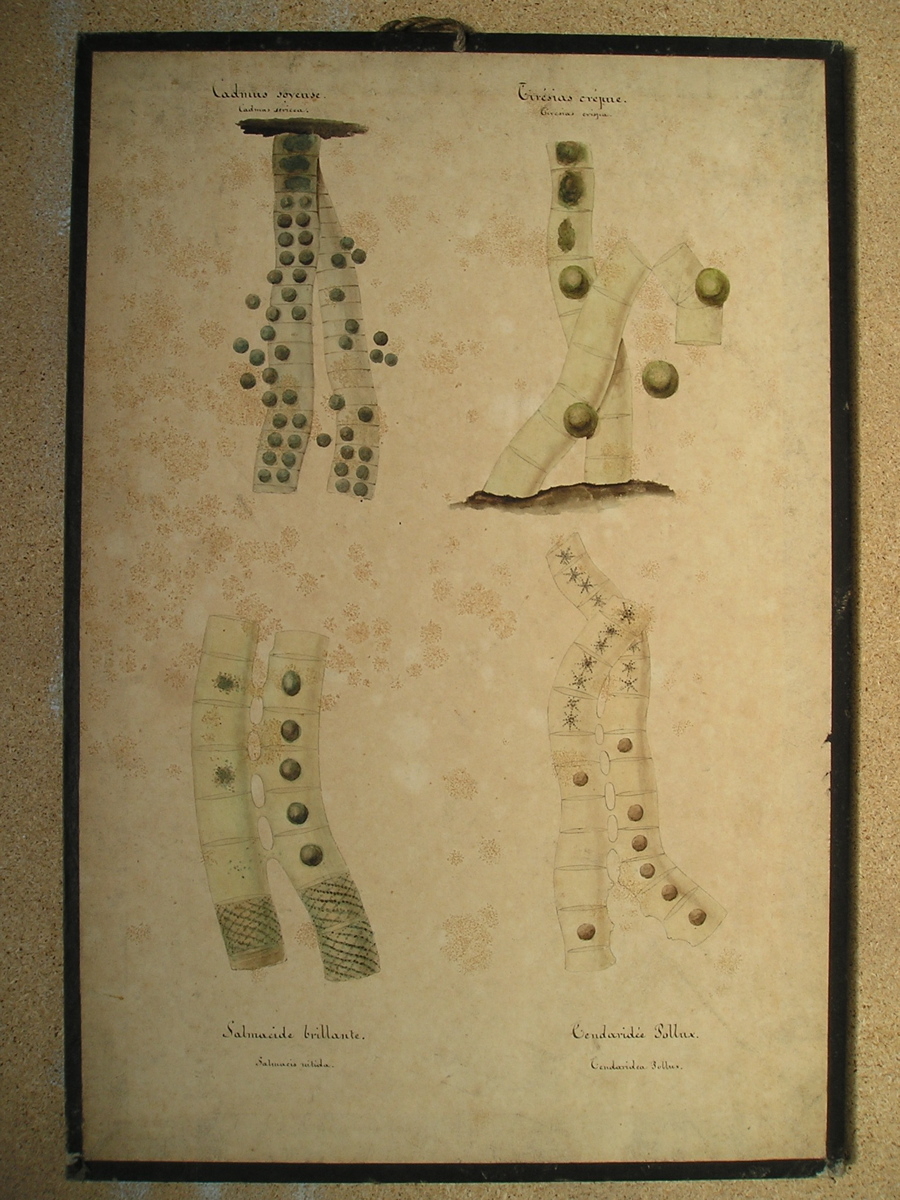
4 types de cellules d'algues
sciences naturelles, botanique, dessin,…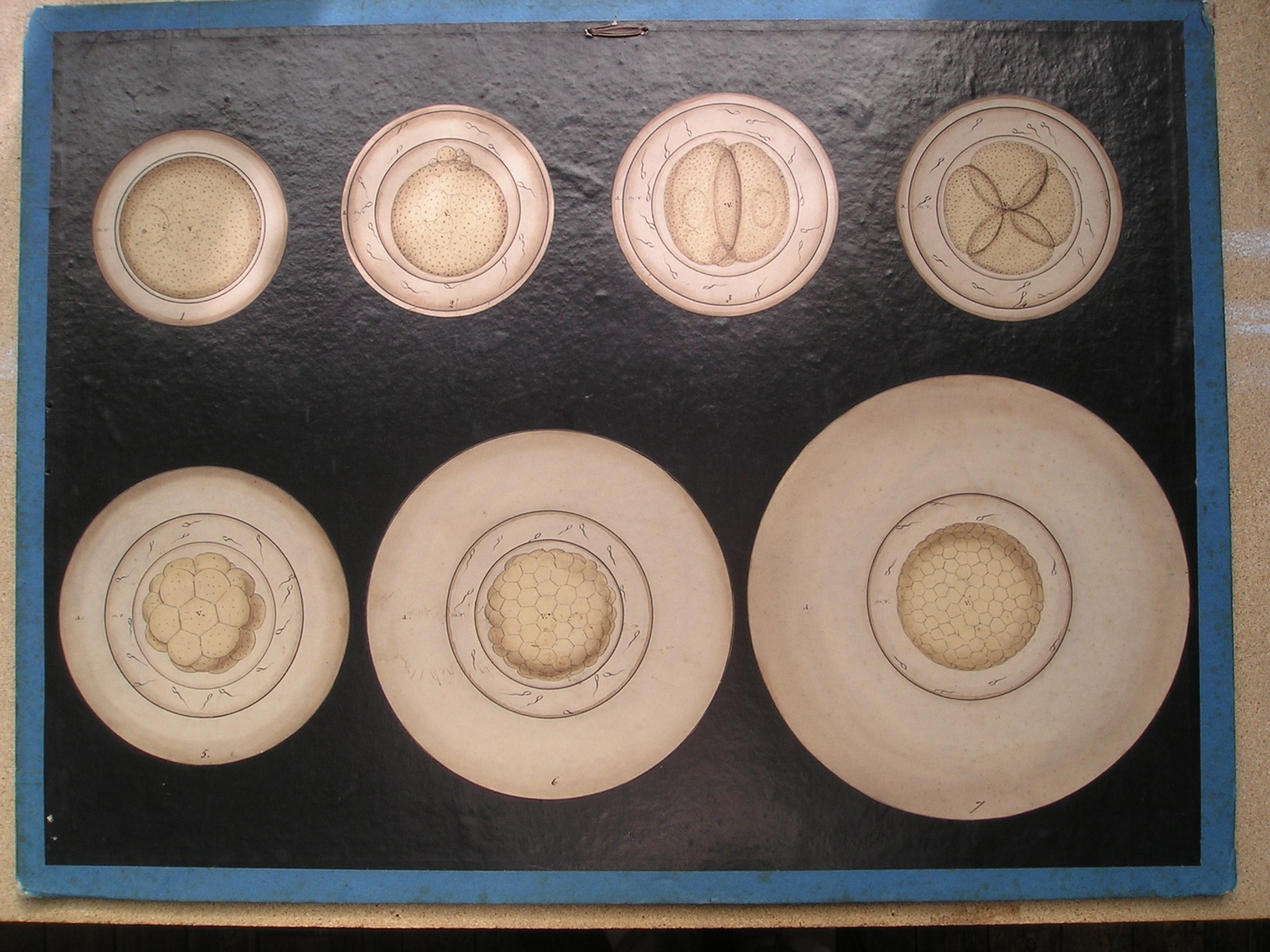
7 ovules fécondés de lapine
sciences naturelles, faune, dessin,…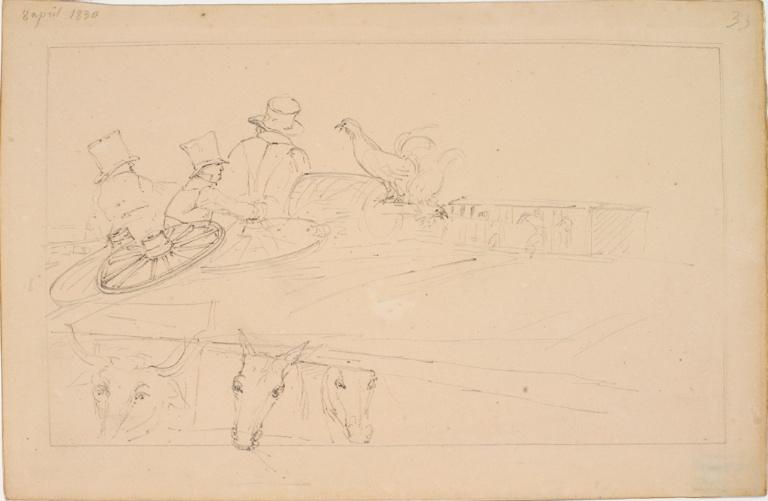
Museums nearby
Museum presentation
muséum d'histoire naturelle is a museum bearing the « Musée de France » label, located in Besançon, in the Doubs department, Bourgogne-Franche-Comté region.
This cultural institution preserves and showcases collections that contribute to the dissemination of the territory's artistic and historical heritage. Open to the public, it welcomes visitors each year to its permanent and temporary exhibitions.
Collections and fields
The collections of muséum d'histoire naturelle cover the following fields: Sciences de la nature, Technique et industrie, Ethnologie, Afrique. These holdings, built up over decades, reflect the richness of the local heritage and offer a varied overview of artistic and scientific expressions.
The museum pursues a policy of enriching its collections through acquisitions, donations, and deposits.
Practical information
muséum d'histoire naturelle is located at 2 rue Mégevand, 25000 Besançon. Opening hours and admission fees may vary depending on the season. It is recommended to contact the museum directly or check its official website before your visit.
The institution may offer guided tours, educational workshops, and events for all audiences.
The museum and its territory
muséum d'histoire naturelle is part of the cultural landscape of Besançon and, more broadly, of the Doubs department. The city is home to other cultural and heritage institutions that complement the museum's offerings.
A visit to Besançon allows you to combine discovering the museum with exploring the architectural and natural heritage of the area.
The 'Museum of France' label
The « Musée de France » label is governed by the law of January 4, 2002, on museums in France.
It is awarded to museums whose collections are of public interest and that commit to meeting obligations regarding conservation, restoration, inventory, and accessibility. muséum d'histoire naturelle meets these requirements and thus ensures the preservation of its collections for future generations.
Data sources
The information presented on this page comes from the Muséofile database of the Ministry of Culture, published on data.culture.gouv.fr under the Open License v2.0 (Etalab). The artworks associated with this museum come from the Joconde database. This data is updated regularly.
See also
tpl.voir_aussi_artists_exposed
tpl.voir_aussi_techniques
tpl.voir_aussi_related
Frequently Asked Questions
Everything you need to know
muséum d'histoire naturelle is located in Besançon, in the Doubs department. Check the museum's record for the full address and contact details.
muséum d'histoire naturelle's collections are listed in the Culture Ministry's Museofile database. Visit the museum's page to see the themed areas covered by its collections.
Yes, muséum d'histoire naturelle bears the « Musée de France » label awarded by the Culture Ministry, which guarantees the quality and accessibility of its collections.
Part of muséum d'histoire naturelle's works have been digitized and are accessible on our website via the Joconde database. The number of works available online may vary.
Opening hours vary according to the season and the day of the week. Contact the museum directly or visit its official website for current hours.
Prices depend on the institution. Many museums offer discounted rates and free admission for certain visitor categories.
Accessibility varies depending on the institution and the layout of the premises. Check with the museum before your visit to know about available accommodations.
Other labelled museums are located in Besançon or neighboring municipalities. Check the city or department page for the full museum offerings.
Many labelled museums offer guided tours, workshops, and activities. Contact the institution directly to find out about current programs.
The data comes from the Culture Ministry's Museofile database (data.culture.gouv.fr), distributed under the Open License v2.0.