About the movement
Le romantisme est un mouvement artistique et culturel qui a émergé à la fin du XVIIIe siècle en réaction au rationalisme des Lumières et au néoclassicisme. Les artistes romantiques exaltent les passions, l'individualité et le sublime de la nature. En peinture, ce courant se traduit par des compositions dramatiques, des couleurs intenses et des sujets empreints de mélancolie, d'héroïsme ou d'exotisme. Eugène Delacroix, avec sa célèbre Liberté guidant le peuple, incarne l'esprit révolutionnaire du romantisme français. Ce mouvement a également touché la sculpture, la littérature et la musique. Les collections romantiques des musées de France offrent un panorama saisissant de cette époque où l'émotion et l'imagination primaient sur la raison et les conventions académiques.
Major artists
Artworks related to romantisme
4 artworks found
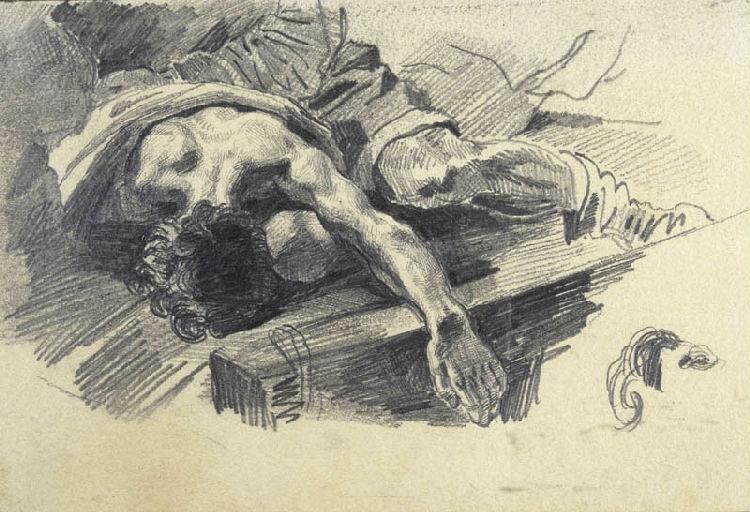
Etude d'après le radeau de la Méduse
dessin, mémoire de l'esclavage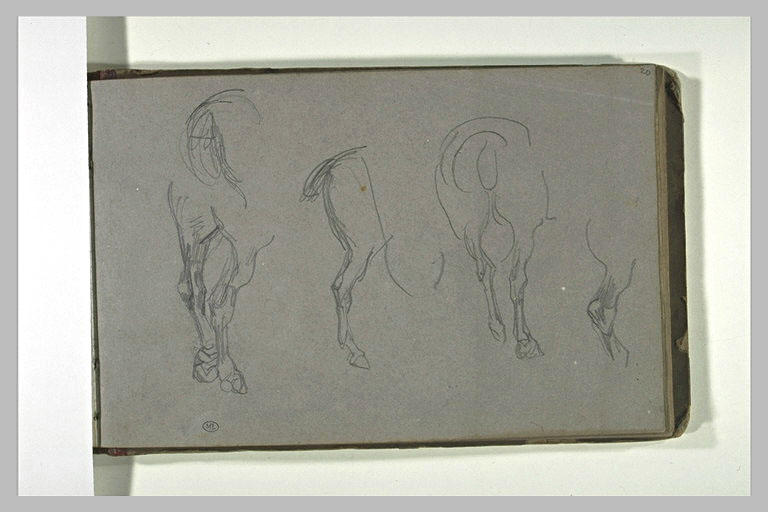
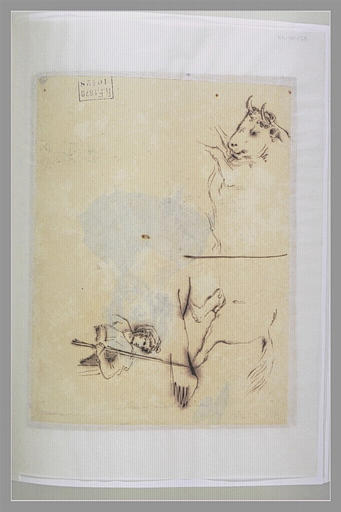
Un taureau et un jeune homme
dessin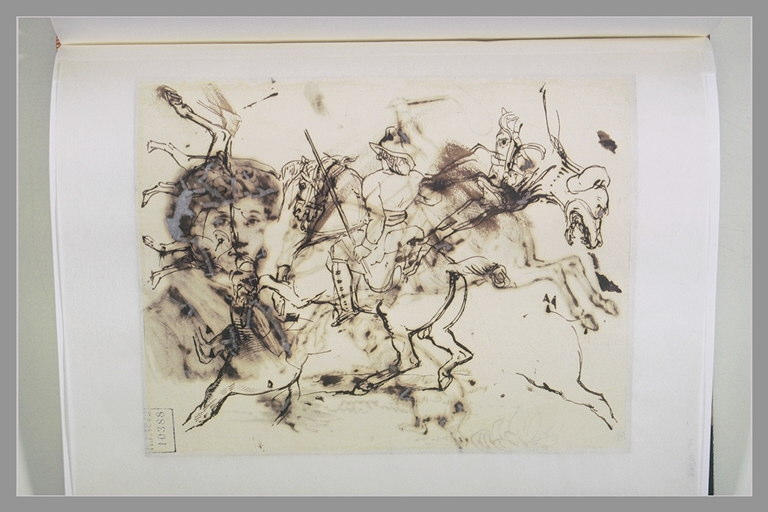
Other art movements
See also
tpl.voir_aussi_centuries
tpl.voir_aussi_related
Frequently Asked Questions
Everything you need to know
The Romantisme movement is an artistic current that developed during the 1790-1850 period. It is characterized by shared aesthetic choices, techniques, and a vision of art among a group of artists, and has profoundly shaped the history of art in France and Europe.
The Romantisme movement is generally situated in the 1790-1850 period. As with any artistic current, its chronological boundaries are indicative: the origins may be earlier and the movement's influence may extend well beyond its main period of activity.
The Romantisme movement brought together many artists whose works are held in the museums of France. Check the list of associated artists on this page to discover the major figures of this current and access their works referenced in the Joconde database.
The number of works associated with the Romantisme movement varies depending on classification criteria. The Joconde database of the Ministry of Culture catalogues works associated with this current across all institutions labeled "Museum of France." The exact total is shown at the top of the artworks list on this page.
Works of the Romantisme movement are spread across many museums of France, both in Paris and in the regions. National museums and major provincial museums hold significant collections of this current. Dell'Arte allows you to locate these works by museum or by city.
The Romantisme movement (1790-1850) is distinguished by its own aesthetic and technical choices that differentiate it from preceding and following currents. These characteristics are visible in the works held in the museums of France, which you can explore on this page.
Like most artistic movements, Romantisme exerted an influence on the currents that followed it. Artists of subsequent generations often adopted, transformed, or challenged the principles of Romantisme, thus contributing to the continuous evolution of art history.
On Dell'Arte, you can refine your exploration of the Romantisme movement by filtering by artistic field: painting, sculpture, drawing, printmaking, decorative arts, and others. These filters are available on the movement page and allow you to target works according to your interest.
The artworks presented come from the Joconde database of the Ministry of Culture (data.culture.gouv.fr), under Open License v2.0. The descriptions and artist groupings are based on catalogue entries written by the curators of the museums of France and on reliable historical sources.
The museums of France regularly organize temporary exhibitions around major artistic movements, including Romantisme. Check the websites of museums that hold works of this current for current programming and upcoming events.
The presence of the Romantisme movement in collections varies by museum and region. Major cities and national museums generally hold the most significant collections, but noteworthy works may also be found in lesser-known provincial museums.
The Romantisme movement (1790-1850) holds an important place in the history of French art. It reflects the cultural, social, and technical developments of its era and constitutes an essential link in understanding artistic creation in France, as documented by the collections of the museums of France.