Musée Condé
À Chantilly, le musée Condé porte le label « Musée de France » et contribue à la vie culturelle de la région Hauts-de-France.
Son histoire : Henri d'Orléans (1822-1897), duc d'Aumale, après avoir hérité de Chantilly par son grand-oncle, le prince de Condé, fait reconstruire le Grand Château de 1875 à 1880, pour y abriter ses collections de livres, de manuscrits, de tableaux et de dessins, réunies de 1848 à sa mort.
Il donne l'ensemble en 1886 à l'Institut de France, à condition d'y ouvrir le Musée Condé. Le musée présente plusieurs atouts : 1.000 peintures ; 2.500 dessins ; 2.500 gravures ; 30.000 livres dont 12.000 imprimés anciens ; 1.500 manuscrits.
Muséographie du XIXe siècle inchangée (volonté testamentaire du duc d'Aumale). Il suscite l'intérêt par : Le Petit Château (ou capitainerie) a été contruit au milieu du XVIe siècle par l'architecte Jean Bullant pour le connétable Anne de Montmorency.
C'est un bon exemple d'architecture Renaissance. Le Grand Château a été construit entre 1875 et 1880 par l'architecte Honoré Daumet pour le duc d'Aumale. La figure de Au XVIe siècle : le connétable Anne de Montmorency (1493 - 1567).
Au XVIIe siècle : le Grand Condé (1621 - 1686), qui fait dessiner le parc par Le Nôtre. Au XVIIIe siècle : le duc de Bourbon (1692 - 1740), créateur de la manufacture de porcelaine tendre de Chantilly.
Au XIXe siècle : le duc d'Aumale (1822 - 1897), donateur de Chantilly à l'Institut de France, commanditaire du Grand Château afin d'y installer ses collections. y occupe une place centrale. Le musée présente des collections dans : Arts décoratifs, Beaux-Arts, Photographie.
On trouve le musée au BP 70243 à Chantilly. Contact : 03 44 62 62 62. Informations en ligne : musee-conde.fr/fr/.
History
Henri d'Orléans (1822-1897), duc d'Aumale, après avoir hérité de Chantilly par son grand-oncle, le prince de Condé, fait reconstruire le Grand Château de 1875 à 1880, pour y abriter ses collections de livres, de manuscrits, de tableaux et de dessins, réunies de 1848 à sa mort.
Il donne l'ensemble en 1886 à l'Institut de France, à condition d'y ouvrir le Musée Condé.
Collection highlights
1.000 peintures ; 2.500 dessins ; 2.500 gravures ; 30.000 livres dont 12.000 imprimés anciens ; 1.500 manuscrits. Muséographie du XIXe siècle inchangée (volonté testamentaire du duc d'Aumale)
The building
Le Petit Château (ou capitainerie) a été contruit au milieu du XVIe siècle par l'architecte Jean Bullant pour le connétable Anne de Montmorency. C'est un bon exemple d'architecture Renaissance.
Le Grand Château a été construit entre 1875 et 1880 par l'architecte Honoré Daumet pour le duc d'Aumale.
Notable figures associated with the museum
Au XVIe siècle : le connétable Anne de Montmorency (1493 - 1567). Au XVIIe siècle : le Grand Condé (1621 - 1686), qui fait dessiner le parc par Le Nôtre. Au XVIIIe siècle : le duc de Bourbon (1692 - 1740), créateur de la manufacture de porcelaine tendre de Chantilly.
Au XIXe siècle : le duc d'Aumale (1822 - 1897), donateur de Chantilly à l'Institut de France, commanditaire du Grand Château afin d'y installer ses collections.
Domains and collections
Collection themes
Antiquités étrangères : Grecques et romaines, Egyptiennes;Archéologie nationale : Gallo-romain;Arts décoratifs : Céramique, Mobilier, Orfèvrerie, Textiles;Beaux-Arts : Dessin, Estampe et Affiche, Peinture, Sculpture;Collections militaires : Armes;Autres collections : Archives papier, Fonds ancien d imprimés, Photographie, Manuscrits, incunables, Numismatique, Ouvrages de bibliophilie, Plans
Collection works
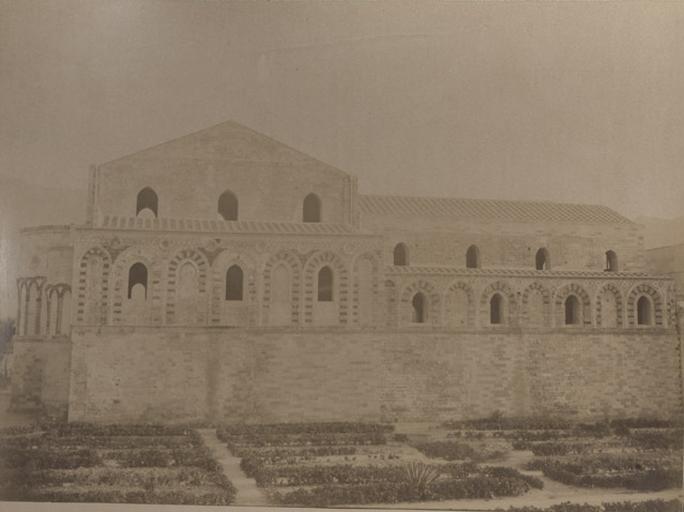
...Chiesa dei vespri (?)
Photography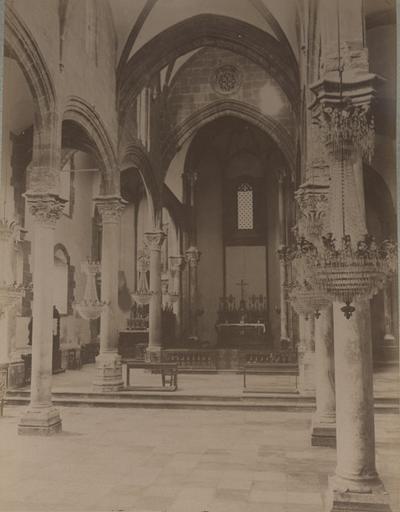
...Palermo (intérieur d'église)
Photography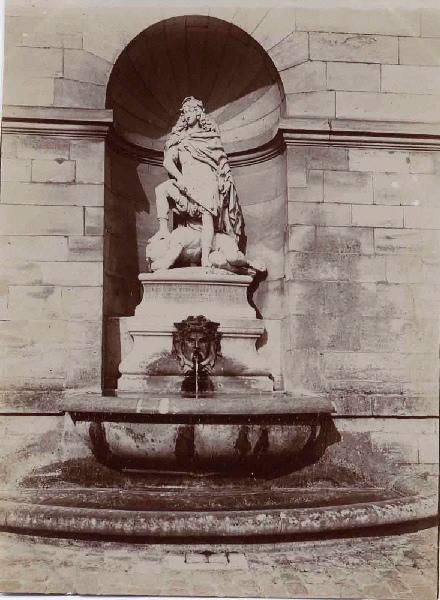
(Menuiserie) /BUREAU DE LOCATION / DE[TAIL du] CADRE…
dessin, cartes - plans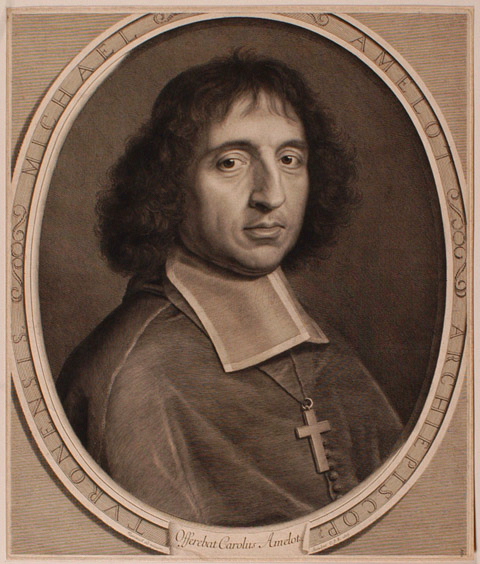
[AMBASSADE de FRANCE à WASHINGTON ; brouillon de plan ?] ;…
dessin, cartes - plans[AMBASSADE de FRANCE à WASHINGTON ; Coupe des différents…
dessin, cartes - plansMuseums nearby
Museum presentation
Located in Chantilly (Oise), musée Condé is part of the network of museums awarded the « Musée de France » label by the Ministry of Culture. This label guarantees the quality of its collections and the institution's commitment to conservation, accessibility, and cultural outreach.
The museum serves as a key venue for local and regional cultural life.
Collections and fields
musée Condé preserves collections spanning several fields: Arts décoratifs, Beaux-Arts, Photographie. This diversity allows visitors to explore different facets of the heritage, from ancient art to more recent creations, from everyday objects to exceptional pieces.
The collections inventory is regularly updated in accordance with the requirements of the « Musée de France » label.
Practical information
musée Condé is located at BP 70243, 60631 Chantilly. Opening hours and admission fees may vary depending on the season. It is recommended to contact the museum directly or check its official website before your visit.
The institution may offer guided tours, educational workshops, and events for all audiences.
The museum and its territory
The presence of musée Condé contributes to the cultural influence of Chantilly and the Oise department. The museum maintains ties with other cultural institutions in the territory and participates in national events such as the Nuit des musées and the Journées européennes du patrimoine.
The 'Museum of France' label
The « Musée de France » label is governed by the law of January 4, 2002, on museums in France.
It is awarded to museums whose collections are of public interest and that commit to meeting obligations regarding conservation, restoration, inventory, and accessibility. musée Condé meets these requirements and thus ensures the preservation of its collections for future generations.
Data sources
The information presented on this page comes from the Muséofile database of the Ministry of Culture, published on data.culture.gouv.fr under the Open License v2.0 (Etalab). The artworks associated with this museum come from the Joconde database. This data is updated regularly.
See also
tpl.voir_aussi_artists_exposed
tpl.voir_aussi_movements
tpl.voir_aussi_techniques
tpl.voir_aussi_related
Frequently Asked Questions
Everything you need to know
musée Condé is located in Chantilly, in the Oise department. Check the museum's record for the full address and contact details.
musée Condé's collections are listed in the Culture Ministry's Museofile database. Visit the museum's page to see the themed areas covered by its collections.
Yes, musée Condé bears the « Musée de France » label awarded by the Culture Ministry, which guarantees the quality and accessibility of its collections.
Part of musée Condé's works have been digitized and are accessible on our website via the Joconde database. The number of works available online may vary.
Opening hours vary according to the season and the day of the week. Contact the museum directly or visit its official website for current hours.
Prices depend on the institution. Many museums offer discounted rates and free admission for certain visitor categories.
Accessibility varies depending on the institution and the layout of the premises. Check with the museum before your visit to know about available accommodations.
Other labelled museums are located in Chantilly or neighboring municipalities. Check the city or department page for the full museum offerings.
Many labelled museums offer guided tours, workshops, and activities. Contact the institution directly to find out about current programs.
The data comes from the Culture Ministry's Museofile database (data.culture.gouv.fr), distributed under the Open License v2.0.