Grave — works of French museums
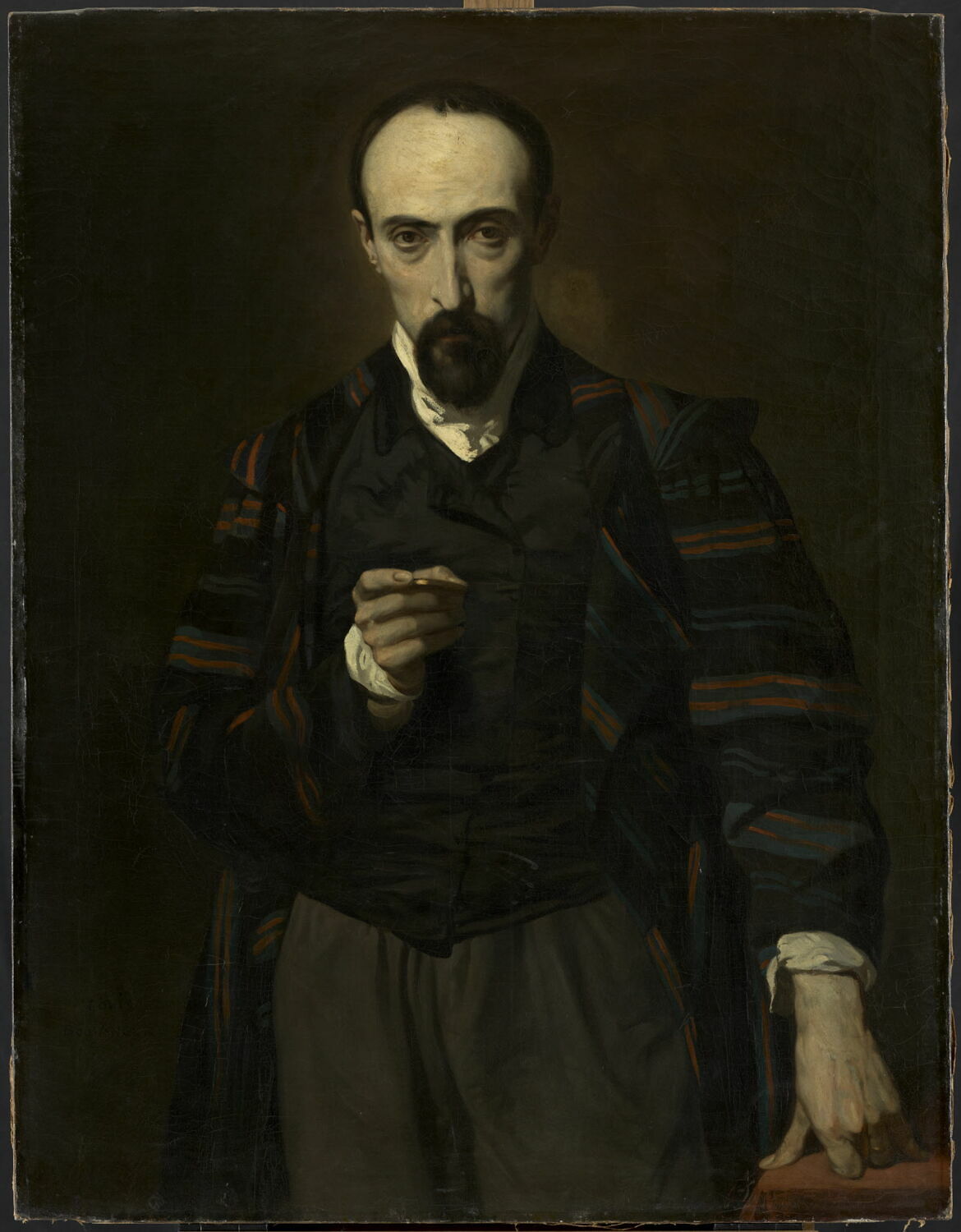
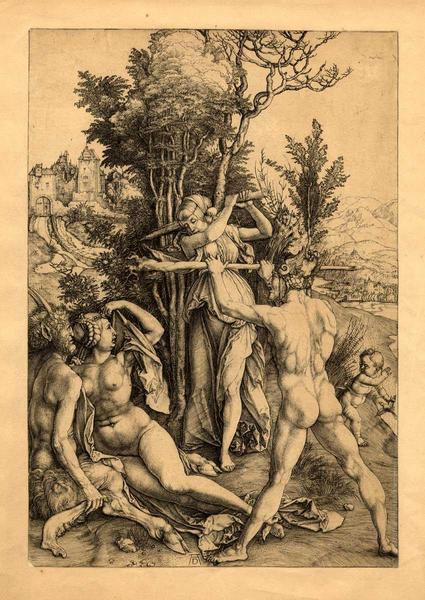
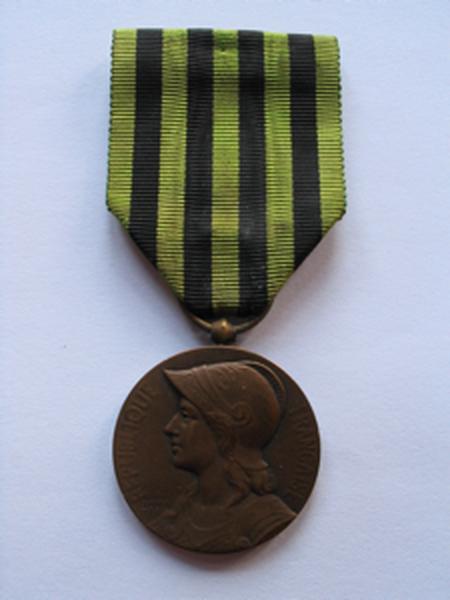
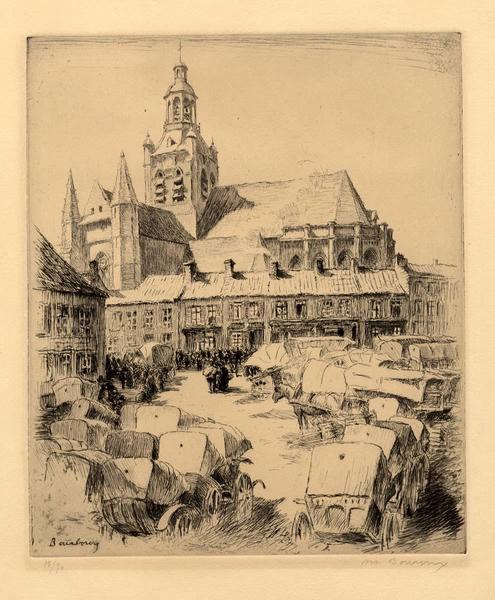
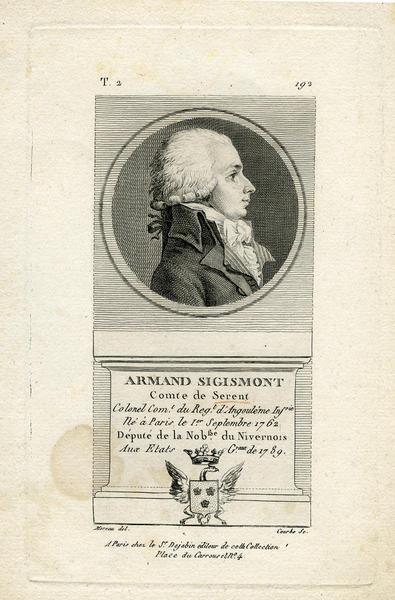
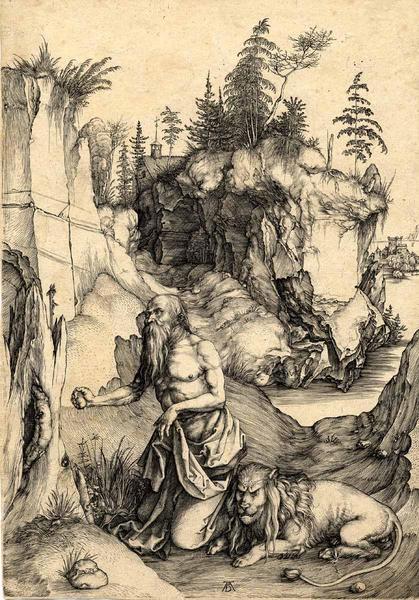
18 586 works of grave held in "Museum of France" labeled museums and referenced in the Joconde database of the Ministry of Culture.
Frequently Asked Questions
Everything you need to know
The Joconde database lists numerous works using the « Grave » technique in museums labeled as « Musée de France ». The exact number changes with the progress of collection digitization campaigns.
The « Grave » technique refers to a process or material used in creating works of art. Museums of France hold representative examples of this technique across different eras and artistic styles.
Many artists across the centuries have practiced the « Grave » technique. Check the work records to discover the artists associated with this technique in the collections of museums of France.
Works in Grave are distributed among many museums labeled as « Musée de France » across France. Each work record indicates the hosting museum, making it possible to plan a visit.
Each technique has its own conservation constraints. Museums labeled as « Musée de France » adhere to strict conservation standards: temperature, humidity, and lighting controls suitable for each type of material.
Yes, when they are digitized. Each work record displays the image when available. Records without images contain complete textual information: title, artist, dimensions, period, and museum.
Use the search bar to combine « Grave » with an artist's name, a period, or a museum. The search covers all notices available in the Joconde database.
Museums of France preserve works in Grave from all eras, from Antiquity to contemporary creation. The richness of collections allows tracking the evolution of this technique through the centuries.
The textual data is published under the Open License v2.0 (Etalab) and can be freely reused. The images are subject to specific rights depending on the work and the hosting museum.
The data comes from the Joconde database of the Ministry of Culture (data.culture.gouv.fr), distributed under the Open License v2.0. The « Materials / Techniques » field allows filtering works by used technique.